Decode Dog & Cat Temperament for Calmer Training
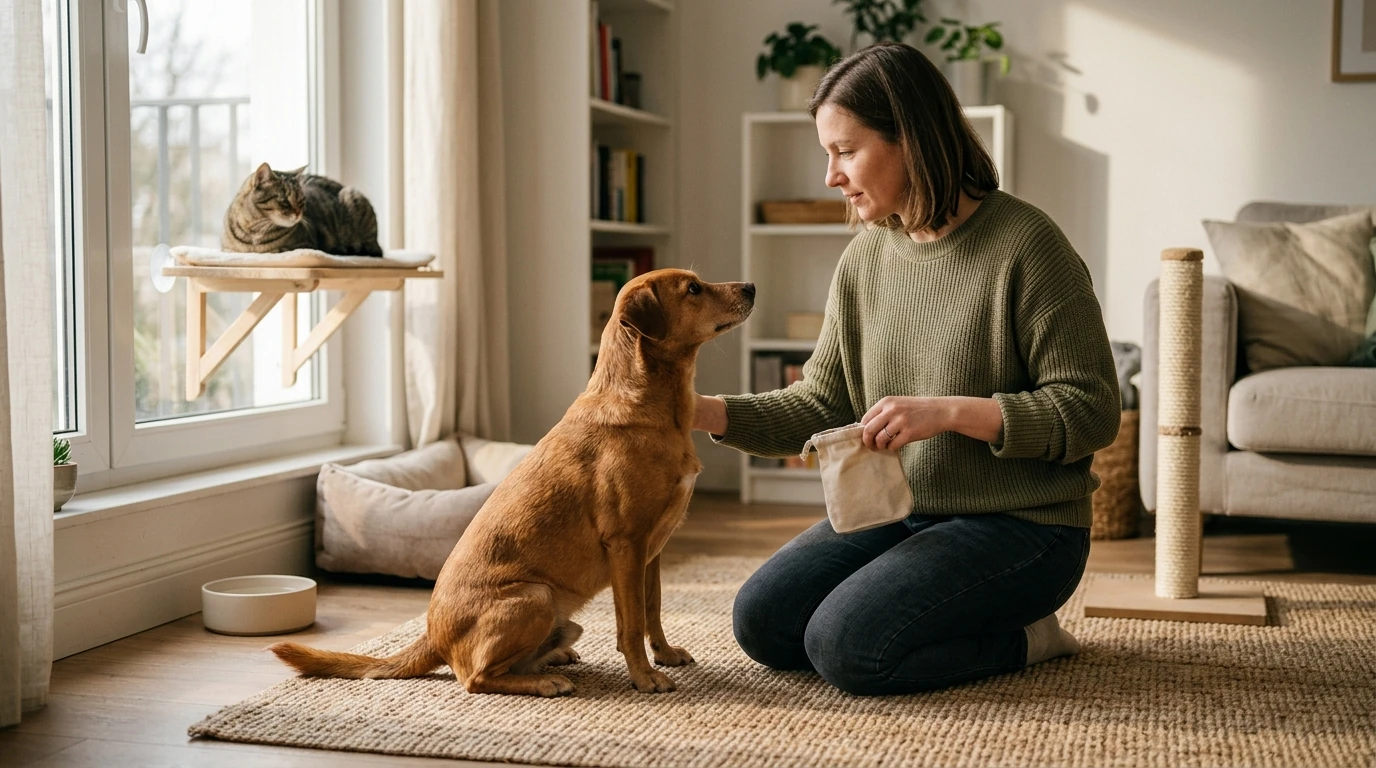
Understanding Your Pet’s Temperament: Decoding Dog and Cat Behavior for Better Care and Training
Temperament shapes how pets respond to people, handling, other animals, and change. Learning to read everyday behavior—posture, facial expressions, movement, and routines—helps prevent common problems like fear, reactivity, scratching, or guarding. This guide breaks down dog and cat temperament traits, the signals behind them, and practical ways to adjust care and training so daily life feels safer and more predictable.
What temperament means (and what it doesn’t)
Temperament is a baseline pattern of emotional reactivity and coping style—think bold versus cautious, or social versus reserved. It’s the “default setting” your dog or cat tends to return to when life is normal, even though day-to-day behavior can still vary.
It’s also not a single trait or a fixed destiny. Personality, breed tendencies, early experiences (especially socialization), health, and current stress all influence what you see. A pet can be naturally cautious and still learn to handle new situations well with the right support.
Labels like “stubborn” or “dominant” often mask something more useful: fear, confusion, pain, or a history of reinforcement. If a behavior works for the pet (escaping a scary interaction, gaining space, getting a treat), it’s likely to repeat.
Finally, sudden big behavior changes—aggression, hiding, house-soiling, sensitivity to touch—can be medical. When a behavior shift feels abrupt or out of character, schedule a veterinary check before assuming it’s purely “training.”
Core temperament traits to notice in dogs and cats
Start by observing predictable patterns across multiple days. Short notes help: where the pet was, who was present, and what happened right before the reaction.
- Sociability: Seeks contact vs. prefers distance. Notice how quickly your pet approaches unfamiliar people or animals, and whether they can disengage calmly.
- Sensitivity: Startles easily, dislikes handling, reacts strongly to noise or movement. Sensitive pets do best with slower introductions, more control, and more choice.
- Confidence: Explores new spaces vs. freezes/retreats. Confidence can be built through controlled exposure and success-based learning, not “flooding.”
- Frustration tolerance: Can wait/settle vs. escalates (barking, mouthing, swatting) when access is blocked. Teaching calm alternatives reduces blowups.
- Predatory/play drive: Chasing, pouncing, grabbing. When this drive is unmet, pets may redirect to ankles, hands, or household items—structured play is the release valve.
Body language: reading the whole picture
Single cues can mislead. A wagging tail in a dog can happen in excitement or tension; a purring cat can be content—or self-soothing when stressed. Look for clusters: context + body posture + facial expression + behavior + recovery time.
For dogs, a loose body, soft eyes, and a relaxed mouth often signal comfort. A stiff posture, hard stare, closed mouth, and weight shifted forward can signal tension and potential escalation.
For cats, tail position and ear direction matter. A tucked tail, flattened ears, and a crouched body commonly indicate fear or defensive readiness. Tail twitching paired with ears rotating back often signals irritation or overstimulation.
Also watch for displacement behaviors—lip licking, yawning, sniffing, grooming, shaking off. These can show rising stress before the “obvious” reaction. Recovery matters, too: a pet that settles quickly after a startle generally copes better than one that stays vigilant for minutes.
Common signals and what they often mean
| Signal | Often indicates | Supportive response |
|---|---|---|
| Dog: stiff body + hard stare | High arousal or discomfort; potential escalation | Increase distance, reduce pressure, use calm reward for disengaging |
| Dog: turning head away + lip lick | Stress, uncertainty, appeasement | Pause interaction, offer choice, reward calm approach |
| Cat: crouched low + tucked tail | Fear; preparing to flee or defend | Stop approach, provide hiding spots, reduce noise/traffic |
| Cat: tail twitching + ears rotating back | Irritation/overstimulation | End petting, switch to play or give space |
| Either: sudden hiding/avoidance | Stress, pain, or negative association | Rule out medical issues; rebuild positive associations gradually |
Temperament triggers inside the home
Many “behavior problems” are predictable responses to pressure. Reducing pressure often improves behavior faster than adding more commands.
Care adjustments that match temperament
If a deeper, step-by-step framework would help with observations and routines, the printable guide Understanding Your Pet’s Temperament: A Complete Guide to Decoding Dog and Cat Behavior for Better Care and Training can make check-ins and training plans easier to stick with.
Training approaches that build trust and reliable behavior
For cats that need more structured outlets and variety, Enrichment Ideas for Indoor Cats | Printable Cat Enrichment Guide offers simple routines to reduce boredom and tension without turning your home upside down.
For further reading on humane, evidence-based behavior support, see the American Veterinary Society of Animal Behavior (AVSAB) position statements, the ASPCA cat behavior resources, and the RSPCA guide to dog body language.
A practical temperament check-in routine
FAQ
How can fear-based behavior be told apart from stubbornness?
Fear often shows up as avoidance, freezing, hiding, or “shut down” body language, sometimes paired with stress signals like lip licking, yawning, or sudden sniffing. Adding pressure tends to increase resistance, while choice, distance, gradual exposure, and rewards usually improve cooperation.
Why does a friendly dog or cat suddenly snap during petting?
Overstimulation, pain, or low tolerance for restraint can turn petting from pleasant to too much, even in otherwise social pets. Watch for early warning signs (stiffening, tail twitching, ears back, head turning away), and use a consent routine: short touches, pause, and stop when the pet signals “done.”
What are simple enrichment ideas that support calmer behavior?
Try food puzzles, scatter feeding, sniffing games, short structured play sessions, climbing/perching options for cats, multiple scratching surfaces, and rotating toys so novelty stays high. Pair activity with predictable rest periods to help the nervous system settle.











Leave a comment