Best Anxiety Relief: Fast Calming Tips + Long-Term Help
What is the best relief for anxiety?
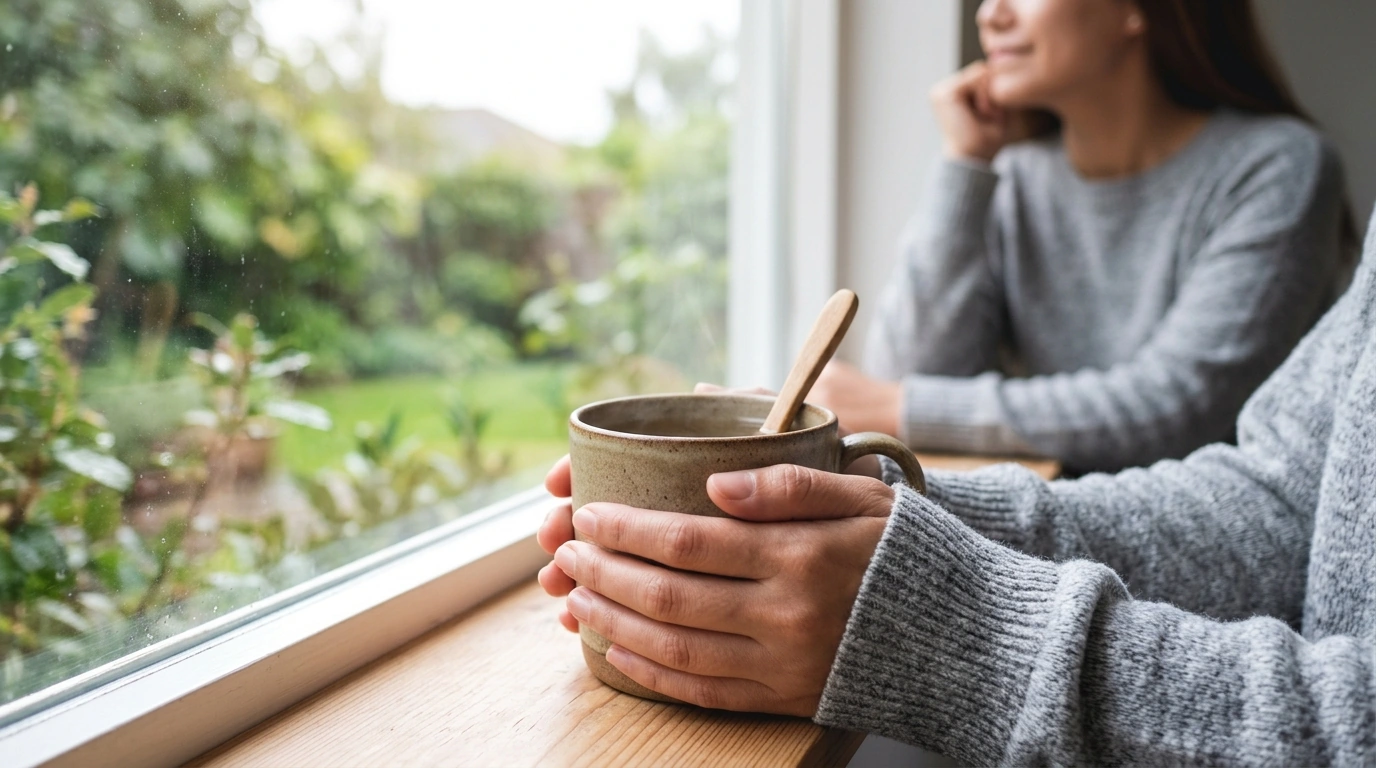
The best relief for anxiety is usually a combination of fast-acting calming skills and longer-term supports that reduce how often anxiety spikes. For quick relief, many people find the most immediate benefits from slow breathing (like a steady inhale for 4 seconds and exhale for 6–8 seconds), grounding techniques (naming 5 things you can see, 4 you can feel, and so on), and light movement such as a short walk. These methods help settle the body’s stress response so the mind can follow.
For more lasting relief, consistent habits matter: regular sleep and wake times, limiting caffeine and alcohol (both can worsen anxious symptoms), and daily physical activity. Therapy approaches such as cognitive behavioral therapy (CBT) can be especially effective because they teach practical ways to respond to anxious thoughts rather than getting pulled into them. For some people, medication prescribed by a clinician can be an important part of relief, particularly when anxiety is persistent, intense, or interfering with work, relationships, or sleep.
Relief you can try right now
If anxiety is rising in the moment, start with your body. Try a minute of slower breathing, then unclench your jaw, drop your shoulders, and relax your hands. Follow that with a brief grounding exercise or a change of environment (step outside, splash cool water on your face, or switch to a quieter room). If you’re prone to spiraling, write one sentence naming what you’re feeling and one next step you can control (for example, “I’m anxious, and I’m going to take a 10-minute walk”).
When anxiety relief should include professional help
Consider reaching out to a licensed professional if anxiety is frequent, causing panic attacks, leading to avoidance, or affecting appetite, sleep, or concentration. Immediate help is important if you feel unsafe or at risk of harming yourself. A clinician can also check for medical contributors (like thyroid issues) and help tailor treatment options.
For a deeper, product- and routine-friendly breakdown of approaches that can support calm, visit https://simplediscoveriesbay.shop/what-is-the-best-relief-for-anxiety/.
FAQ
How can I calm anxiety fast without medication?
Use slow breathing with a longer exhale, then add grounding (5-4-3-2-1 senses) or brief movement like walking. Reducing stimulation—lowering noise and screens—can also help the nervous system settle more quickly.







Leave a comment